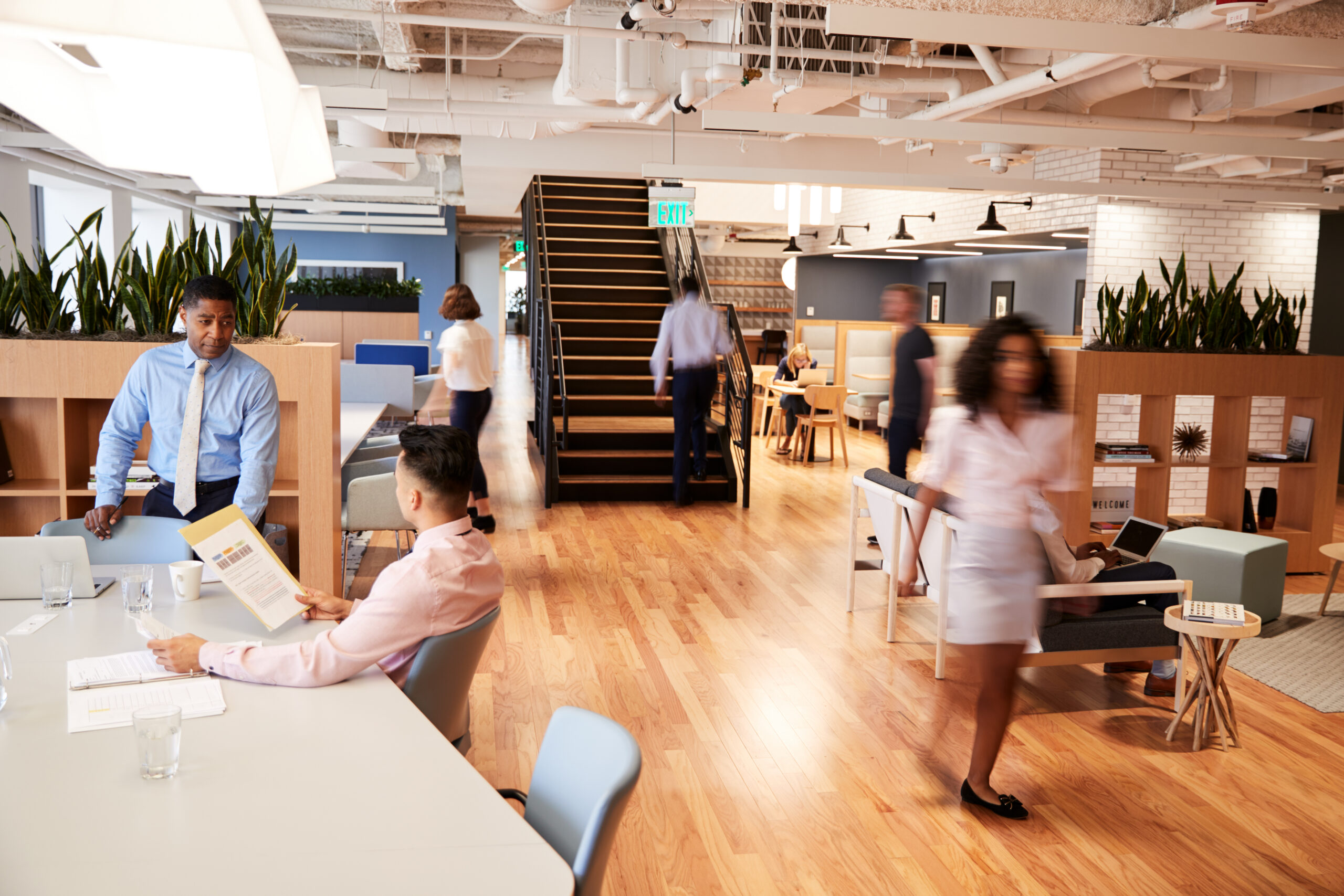
You walk into the office on a Tuesday morning, ready to have a productive day. First stop: coffee. Except that the kitchen you used last week has been rearranged, and you can’t find the mugs. You track those down, then go looking for your teammate Sarah to catch up before your first meeting — but you have no idea where she’s sitting today because she hoteled somewhere different than last time. You find a conference room, or at least you think it’s free, but there’s no way to tell without knocking awkwardly and hoping for the best. The color printer is somewhere on the third floor. Probably.
It’s 9:15 am, and you’ve already spent twenty minutes just trying to get oriented.
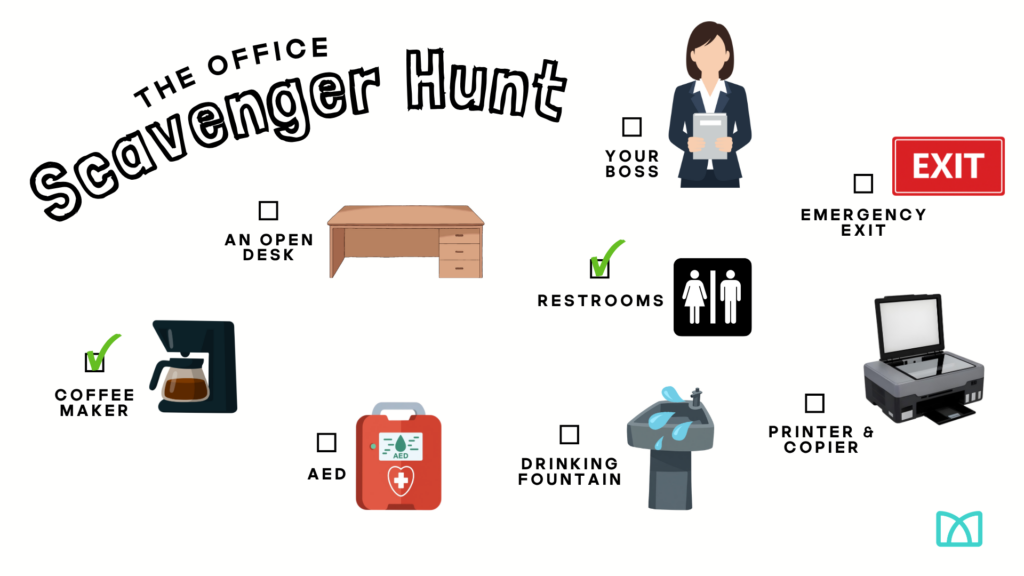
Welcome to the office scavenger hunt, the unofficial game that employees play every time they come in, whether they signed up for it or not.
“When employees have to hunt for basic things, a room, a desk, a teammate, a printer, a cup of coffee — the office starts to feel like an obstacle instead of an asset.”
Why navigation is still broken
Most offices weren’t designed with navigation in mind. They were designed around square footage, aesthetics, and cost. Getting around was something employees were just expected to figure out on their own.
And for a long time, that worked. When people came in five days a week and sat in the same seat every day, they learned the layout through repetition. They knew where the good rooms were, which printer actually worked, where Sarah sat, and which quiet corner to escape to when they needed to focus.
Hybrid work broke that model entirely. Now, employees come in two or three days a week, sit in different spots each time, and are surrounded by people they don’t always recognize yet. The institutional knowledge that used to make office navigation manageable? Gone. Every day in the office can feel like the first day.
The real cost of a few wasted minutes
It’s tempting to brush this off. So what if someone spends a few minutes getting their bearings? In isolation, it doesn’t seem like a big deal.
But zoom out. Multiply that time across your whole team, across every peak day, every week. That’s a lot of lost time, not from big systemic failures, but from basic friction that was entirely avoidable. And that’s just the time cost. The toll it takes on employee experience and engagement is harder to put a number on, but it compounds just as fast.
When people consistently can’t find what they need at the office, they start to resent coming in. The commute stops feeling worth it. The flexibility of working from home, where everything is exactly where they left it, starts looking a lot more appealing. Navigation friction is one of the quieter drivers of hybrid disengagement, and it doesn’t get talked about nearly enough.
What a better office experience looks like
The good news is that this is one of the more solvable problems in workplace management. It doesn’t require a renovation or a major overhaul. It requires giving employees visibility into their environment before they go searching.
That means interactive floor plans that they can pull up from their phone or laptop. The ability to see in real time which rooms are available, where their teammates are sitting, and where the resources they need are located, before they walk in the door. A way to arrive knowing exactly where they need to go.
When that visibility exists, something interesting happens. People stop starting each day from scratch. They start using the office more intentionally and more often. The space goes from something they have to navigate to something that actually works for them.
A small change with a big impact
In conversations I have with clients about improving the office experience, navigation always comes up, usually described as “it sounds like a small thing, but it drives people crazy.” And they’re right on both counts. It is a small thing. And it does drive people crazy.
The companies getting this right aren’t doing anything complicated. They’re just making the office easier to navigate. Giving people the information they need to move through their workday without friction. It’s a low-lift change with a surprisingly high return, on productivity, on experience, and on people’s willingness to come to the office.
If coming into the office still feels like guesswork, it doesn’t have to. Tools like Maptician exist specifically to solve this, giving employees the visibility they need to navigate their day before it even starts.
Design for How Work Happens
See how Maptician turns workplace data into smarter space planning decisions.